Moving a household across Mesa looks simple on paper. You pack, you load, you drive a few miles, you unload. Anyone who has carried a sleeper sofa up a narrow condo staircase in August knows better. The distance might be short, but the details are unforgiving. Heat curls packing tape. Dust sneaks into boxes during monsoon wind bursts. HOA elevators go offline at lunchtime. The difference between a smooth local residential moving day and a long, sweaty slog is usually decided in the week before the truck arrives.
What follows are practical, field-tested packing tactics for local residential moving in Mesa. This is not theory. These are the small choices that keep dishes intact, save minutes on every trip, and leave you with the right boxes in the right rooms when you’re too tired to think. Whether you’re handling most of the packing yourself or leaning on moving services for the heavy lift, these ideas fit the rhythms and realities of a Mesa move.
The Mesa factor: heat, dust, and short hops
Local residential moving in Mesa brings two quirks you ignore at your peril. First, heat. Even in spring and fall, the inside of a truck climbs fast. Adhesives soften, plastics warp a touch, and wax candles remember their true form. Second, dust. The Sonoran dust is fine and persistent, showing up in the seams of wardrobe boxes and the bottom of drawers. Planning for heat and dust shifts how you pack electronics, perishables, and soft goods.
Short distances tempt people to skimp on packing discipline. You might think, we’re only going three miles, it’ll be fine to toss loose items in the back seat. That shortcut creates extra trips, disorganization at the new place, and more breakage than a long haul would. The guiding principle is simple: pack like you’re going across town, carry like you’re going across state lines.
Room-by-room strategy that survives the hot truck
Start with the rooms that produce the most boxes: kitchen, closet, garage. Those three are also the ones most impacted by heat and dust.
In the kitchen, anything that can melt or warp should be pulled aside early. Chocolate chips, spice pastes, oils, and candles often live in kitchen cabinets and do not belong in a hot truck. Wrap spices and pantry items into gallon bags, then stage them in a hard-sided cooler you can move by car. Reserve a second cooler for fridge contents that truly deserve to make the short trip: condiments, a few eggs, butter, and one cold drink per person for the unload.
Closets are where most local residential moving jobs in Mesa gain or lose time. Wardrobe boxes are worth it, not just for the clothes but for the shoes and hats you can nest at the bottom. Use dry cleaning bags as dust sleeves over delicate garments, then load them directly onto wardrobe box rails. Keep a handful of cedar blocks or dryer sheets in each box to fight the desert mustiness that can happen in storage-like conditions inside a truck.
The garage can become a hazard zone if you ignore liquids. Consolidate paints, solvents, and fertilizers early and make a disposal plan if needed. Most residential moving companies will not put flammables on a truck, even for a few miles. Tools should get blue-taped bundles: ratchet sets wrapped in stretch film so no rogue sockets escape, extension cords coiled and taped to the tool they go with, screws and bolts from wall mounts dropped into a labeled zipper bag and either taped to the mount or the item itself.
The kitchen puzzle: protect, nest, and label for speed
The fastest Mesa kitchen pack I’ve seen, in a two-bedroom townhome near Fiesta Park, finished in under four hours with two people, because they staged and nested well. First, they created a “working box” that traveled by car: coffee, filters, mugs, a small knife, a cutting board, dish soap, and a roll of paper towels. Then they packed plates vertically like records into small, dense boxes with a layer of cardboard between every two plates. Bowls nested with a paper barrier. Glassware sat inside handled wine boxes, even if they were beer pint glasses, because the dividers save time and breakage.
Heat alert for kitchen plastics: thin mixing bowls and cheap food storage containers can warp slightly during a midday move. Stack them loosely and park those boxes high in the load to minimize compression. Put lids in a separate mesh bag so they do not act like tiny heat sinks pressed up against the bowl rims.
A note on knives. Knife blocks are notorious for bleeding through boxes. Slide knives into cardboard sheaths you make from a cereal box, then rubber band them and put the bundle into a dish pack with the handles all facing the same way. Label the exterior: knives, sharp. That label makes everyone slow down instinctively.
Furniture prep: what’s worth disassembling, what’s not
For local residential moving, you win by disassembling just enough. Bed frames almost always come apart, but you can keep headboard, rails, and slats paired together with color-coded tape. Dining tables often travel with legs on, if doorways and stairwells allow it. Measure before you decide. If a table has fragile, glued joints, removing legs can do more harm than good. In Mesa’s dry climate, old glue joints can be brittle. Better to pad the legs and carry carefully.
Sofas can be tricky in apartments with tight turns. If a sofa has removable feet, pull them and bag the screws, tape the bag to the underside. Sectionals with quick-release brackets save time on stairs. Don’t release the sections until you have clear staging where you’ll set them down. Nothing slows a move like kneeling in the grass hunting for a bracket pin that fell off in the shade.
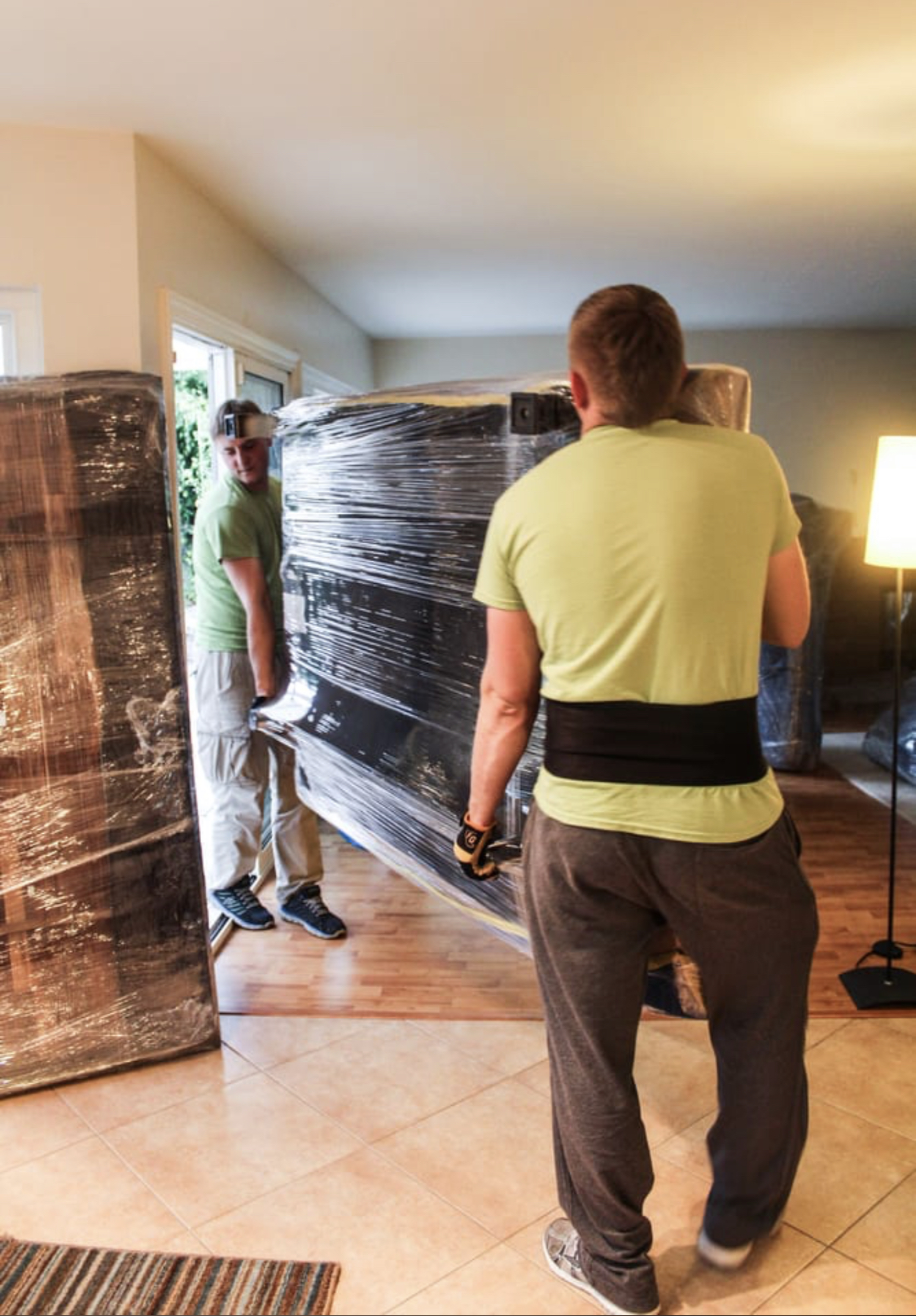
A seasoned crew will blanket-wrap furniture in a set rhythm. If you’re doing it yourself, pre-blanket large dressers and buffets before the crew arrives. Use a single continuous wrap around the piece to cinch the pads, then add a second band at the midline for grip. In Mesa heat, stretch wrap sticks beautifully, which helps, but it also stretches more. Do one extra loop so pads do not sag when the truck warms.
Boxes that behave in the desert
Not all cardboard is equal. New boxes hold their shape in heat better than recycled ones, especially when stacked under load. If you are mixing, keep newer boxes low in the stack and older, softer ones nearer the top. Choose small and medium boxes for heavy items, large only for linens and light plastics. The classic error is the kitchen sink box, an everything box that becomes too heavy to grab with confidence. You want boxes that a single person can lift safely even after hours of work, roughly 40 to 50 pounds tops.
Tape also behaves differently in heat. Standard packing tape loses bite. If a move day forecast is above 95, use a hot-melt or acrylic tape rated for high temperature. Press tape seams hard with a tape roller so it adheres fully rather than just kissing the cardboard. If you’re packing the week before and the boxes will sit in a garage, put heavier boxes off the ground on a flat surface to avoid wicking dust and garage moisture along the bottom edge.
Labels that matter when you are tired
On local residential moving jobs, labeling pays off not in accuracy but in speed. You are moving fast, moving often, and stacking boxes temporarily in rooms that might change purpose. A smart label gives destination, contents, and priority. Destination tells where it goes: primary bedroom, west-facing office, patio. Contents should be specific enough to be useful: mixing bowls and spatulas beats kitchen. Priority marks what you’ll need within 24 hours.
A trick that works well in Mesa’s strong light is color blocks. Put a strip of colored painter’s tape on two sides of every box, one color per room, and hang a matching strip inside the doorway at the destination. Movers scan for color first, then read small text when needed. In a one-story ranch, I watched color blocks drop unload time by nearly a third because no one stood around squinting for handwriting.
The essentials bag and the car load
For local residential moving, the line between household goods and personal items tends to blur. Keep it firm. Medications, passports, laptops, backup drives, gaming consoles, and sentimental jewelry ride in your car. For devices, heat is the enemy, so park these items in the passenger footwell rather than the dash or trunk. Add a multi-outlet power strip to this bag so you can charge several devices at once the first night.
Your car load should also include the most critical cleaning supplies and one set of simple tools: Phillips and flathead screwdrivers, Allen wrench set, pliers, box cutter, and a small hammer. Stash a handful of zip ties and a roll of painter’s tape. These are the backstage heroes of a quick setup.
Timing around Mesa’s daily patterns
If you can, schedule your heavy lifting early. From May through September, an 8 a.m. start in Mesa can save you 10 to 15 degrees of heat compared to a midday load. That is kinder to people and to materials. Elevators in condo complexes tend to be freer early and near closing time. If your HOA has quiet hours, plan around them. Metered loading zones in downtown pockets can be strict. Read the signage the night before and take a photo, so you are not guessing while the truck idles.
Monsoon season adds a wrinkle. Dust storms often pop up in late afternoon. If your move crosses that window, keep plastic sheeting or large trash bags near the truck ramp. A 2-minute dust burst can coat an entire stack of open boxes if you are staging outside. Pausing to cover saves cleaning time later.
Electricals and electronics in a hot climate
Electronics do not love desert heat. For local residential moving in Mesa, pack them in their original boxes if you have them, otherwise double-box with a soft foam layer around a hard shell. Label the exterior heat sensitive and load those boxes last so they come off first. Put remotes and small cables in a zipper bag taped to their parent device, or better, take a quick phone photo of the wiring behind your TV before unplugging everything. That reference photo cuts living room reassembly time in half.
External hard drives should ride with you in the car. If the drive is old or contains irreplaceable photos, consider a quick cloud backup before you shut it down, even if it is only the top 10 percent of critical files. Mesa moves are short, but the risk of heat plus bumps is still real.
Streamlining the load: staging matters more than muscle
Good staging beats raw strength every time. Clear a straight, unobstructed path from each room to the exit. In tight hallways, alternate boxes and small furniture so carriers can pass each other without bottlenecks. Stack boxes by size into solid columns. When the truck arrives, the crew can build secure walls quickly. Think of the home as a series of launchpads feeding one main corridor.
Professional crews often work in two streams: one group feeding the truck, one group stacking inside. If you are moving with friends, assign roles and rotate them every 45 minutes. In Mesa heat, that rhythm keeps people alert and lowers the odds of a single person getting exhausted and careless.
What Homelove Movers - AZ crews teach about wrapping and pace
Crews that tackle local residential moving in Mesa routinely develop little efficiencies that add up. Homelove Movers - AZ trains their teams to pre-pad door jambs and banisters before lifting a single piece of furniture. It feels like a delay at the start. It pays off by preventing the tiny dings and paint smears that become evening touch-up jobs. They also keep two tape guns going during kitchen packs, one with hot-melt tape and one with standard acrylic. When boxes are going straight out of cooled interiors onto the truck, the hotter tape sticks better to warm cardboard. When boxes will sit inside in air conditioning for a while, the regular tape is more than enough.
There’s also a tempo element. A veteran lead will slow the team slightly during the first twenty minutes, watching how the path behaves and where small collisions happen. Then they pick up. Local residential moving often deceives people into sprinting. Crews that pace themselves finish earlier because they avoid rework and injuries.
Handle plants and pets as special passengers
Houseplants are their own category in the desert. Water them lightly the day before, not the morning of the move, to avoid saturated soil that can slosh and leak. Load them last, standing upright in open boxes or crates, and move them by hand whenever possible. In summer, do not leave plants in a closed car while you walk a long hallway. If the new home’s A/C is not on yet, turn it on while the crew unloads, then bring plants in.
Pets need a plan that keeps them cool and calm. Set up a closed room in the old place with water, a bed, and a favorite blanket, then transfer that setup to the new place before you do the main unload. The quiet room arrives first, so your dog or cat has a safe zone while boxes flow through the rest of the home.
The five-box hack that sets up a livable first night
Short-distance moves tempt people to unpack haphazardly. Give yourself five boxes that make the first night and morning functional. Label them so boldly they cannot be missed and keep them near the truck door or in your car. These are not packing peanuts and printer cables. These are your life preservers.
- Bedding and towels for each person Bathroom essentials: toilet paper, soap, shower curtain and rings, basic toiletries Kitchen quick kit: skillet, pot, utensils, plates, cups, dish soap, sponge Lighting and power: two lamps, extension cord, power strip, batteries Comfort and calm: snacks, a favorite coffee or tea, a book or speaker, kids’ top toy
When these five open first, the home feels like yours, even if the rest is stacks and tape.
When moving services pay off, even for short hauls
Local moves can be DIY. They can also exceed what a weekend and a borrowed pickup can handle. If your home includes heavy items like a piano, a large safe, or high-value art, calling in residential moving companies is less about convenience and more about risk management. Moves in older Mesa neighborhoods often include carports with tight turns or cinderblock walls that do not forgive misjudgment. Professional crews bring the right dollies, sliders, and load sequencing to make those turns without damage.
If time is scarce, a packing service for the kitchen and closets can save you a full day. Most residential moving companies offer partial packing. You can still handle books, linens, and décor, then let the crew tackle dishes and wardrobe. The cost is often offset by reduced breakage and a shorter overall schedule. Ask about high-heat tape and how they handle electronics in hot months. Good companies will have a clear answer.
The Homelove Movers - AZ approach to labeling and first-room setup
One clever tactic I first saw from Homelove Movers - AZ involves tagging a “first room” and making it operational before the truck is empty. In many Mesa homes, that room is the kitchen or a child’s https://www.homelovemovers.com/ bedroom. They place the fridge box and essentials in that room early, set up a small folding table as a temporary surface, and plug in a lamp. It gives everyone a place to land, drink water, and avoid the impulse to open random boxes in the living room. When there is a young child involved, setting up the kid’s bed and a small shelf of familiar objects stabilizes the whole day. The crew works more smoothly because the family has an anchor.
Homelove Movers - AZ also adds a second label on the top and a large, legible side label for every box, not a small scribble. On tall stacks inside a truck, side labels are what people see. That sounds basic, but it is the difference between moving a stack twice and moving it once.
Edge cases: storage units, multi-stop moves, and HOA quirks
Local residential moving can include a storage run, either emptying a unit or staging one for a remodel. If storage is part of the plan, treat those boxes as a separate job. Use a contrasting color tape, so everyone knows storage, not house. List the contents on the exterior with more detail, because you will forget what is inside after a month, no matter how confident you feel today.
Multi-stop moves, like picking up a second sofa across town, complicate load sequencing. Build a small buffer in timing. A ten-minute pickup can turn into thirty if an elevator is occupied. Keep straps and a pair of moving blankets in your personal car for that side trip. You want the item protected even if the main truck is ahead of you.
HOAs matter. Some require floor protection in hallways, prior notice for truck parking, or elevator pads. Confirm these rules at least two days before move day. A roll of builder’s paper and blue tape satisfies most floor protection requirements, and you can lay it in ten minutes.
Safety in the heat: hands, backs, and brains
Mesa heat is relentless. Hydration is not a last-minute gulp. Start drinking water early in the morning and keep a rotation going. Use light gloves with grip to handle slick stretch-wrapped items without overgripping. Lift with legs, yes, but also plan your handholds. Heavy boxes should have a gap under the tape seam for fingers. If a box is bowing or crunching at the bottom, stop and repack it. A failed box is a back injury in disguise.
Take real breaks. Ten minutes in the shade with water is worth more than twenty minutes of pushing through and making mistakes. In one July move in Dobson Ranch, a crew saved a client’s glass-top table by taking an extra minute to re-pad it after noticing the first wrap had loosened in the heat. That minute came because they were not rushing beyond their capacity.
Small hacks that feel like cheating
A roll of stretch wrap will solve problems you did not know you had. Wrap utensil trays in place, bind dresser drawers shut without removing them, bundle awkward sports gear into a single manageable shape. Blue painter’s tape on cords and remotes turns them into leashed items, attached to their parent devices. Slip small furniture sliders under heavy pieces before move day if you have tile or laminate floors. When the crew arrives, even a two-inch nudge is easier and safer.
Vacuum-seal bulky bedding if you can. In Mesa’s dry climate, those sealed bags stay tight and clean, and they stack neatly in large boxes. If you do not have a sealer, compress with large bags and sit on them gently before sealing. Air leaves, space appears.
After the move: smart unpacking order
Resist the urge to start with décor. Unpack the kitchen working surfaces first, then beds, then bathroom. The next morning, set up the entry zone: a small tray for keys, a box for mail, and a dedicated spot for tools. If you used room color blocks, pull the tape off boxes as you empty them and stick it on the box tops you’ll flatten. That visual cue tells you what is done and keeps the space from feeling chaotic.
Flatten boxes as you go. In Mesa, people often store boxes in the garage for the next move or resale. Keep them dry and stacked horizontally. If you borrowed or rented boxes, schedule a pickup within a week. Otherwise, they become garage fixtures.
Bringing it together for a smoother Mesa move
Local moves are built on moments where you can choose between improvising and preparing. The improvisations that succeed are usually the ones you set up in advance: better tape, smarter labels, a cooler for perishables, one room that functions from the first hour. Residential moving is not just about lifting, it is about sequencing and protecting, about knowing that dust and heat will join the party whether you invite them or not.
The right moving services and a handful of smart hacks turn a short hop into a well-run operation. If you are working with residential moving companies, ask how they handle heat-sensitive items and how they label for quick room drops. Watch how they stage, and borrow that discipline for the unpack. If you’re doing more yourself, copy the approaches that pros like Homelove Movers - AZ use daily: pad early, label large, pace the work, and make the first room livable fast.
Mesa will be the same when you arrive. Your home will not be, not yet. Give yourself the tools and the time patterns that help the new place feel like yours by sunset. The boxes will wait. Your back will thank you. And the next morning, when you plug in the coffee maker without digging through four cartons of cables, you will know the packing choices were worth it.